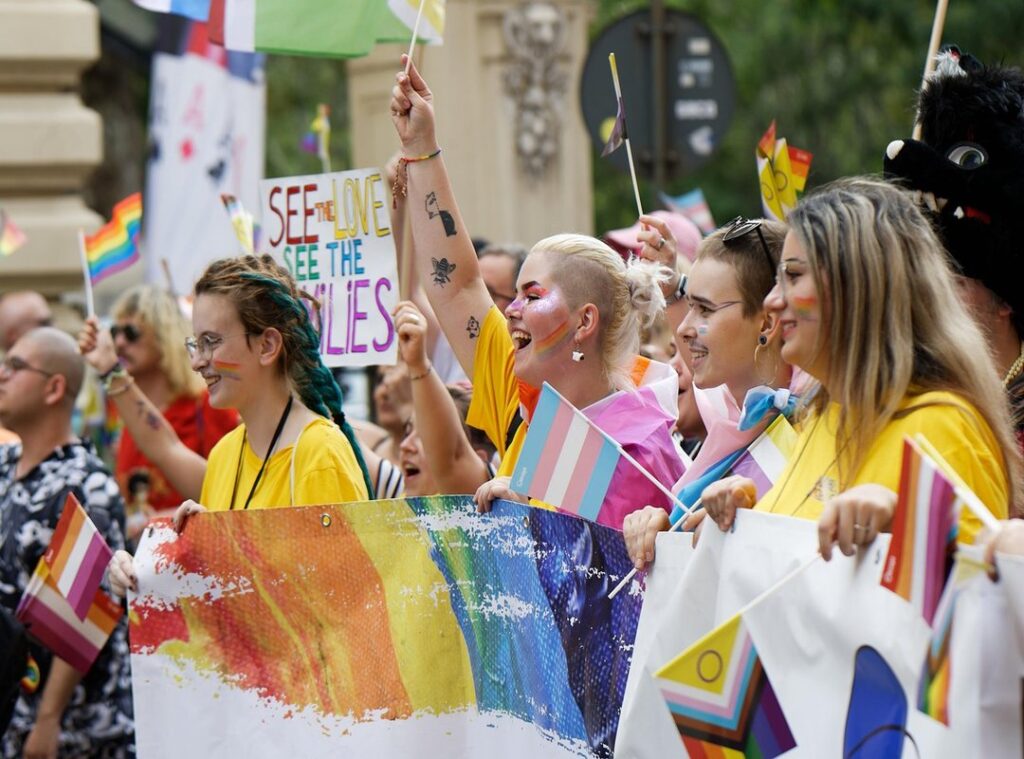
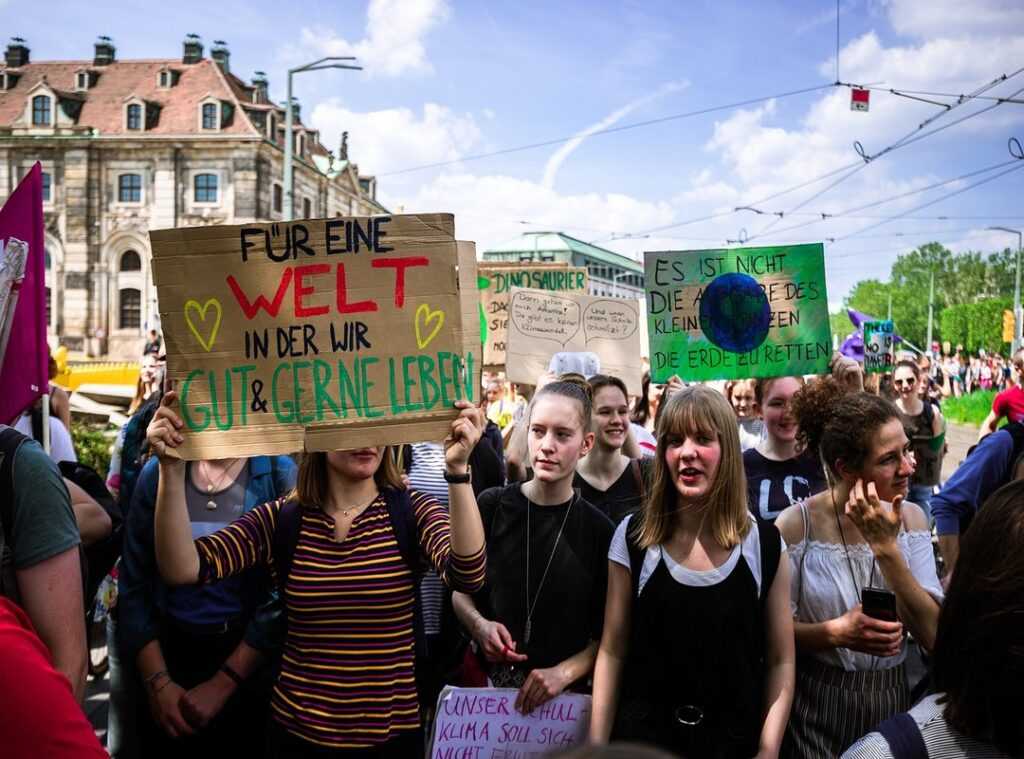
Climate demonstrations are everywhere. They grab attention, but do they really matter? Many people see these protests but struggle to grasp their true impact.
Do they drive real change or just create noise?
I want to dig into this question.
This article explores the climate protests impact across different areas: political, social, economic, and media landscapes. I aim to provide a balanced view, drawing from years of observing and reporting on social and environmental movements.
You deserve more than surface-level takeaways.
I will unpack the complex effects of these protests, shedding light on the dynamics at play. This isn’t just about what you see on the news. It’s about understanding the deeper implications of activism in today’s society.
Through careful analysis, I will help you get through this complex topic.
Together, we’ll look beyond the headlines and examine the real-world consequences of climate demonstrations. Get ready to think critically about what these protests mean for our future. You might be surprised by what we find.
Understanding the Catalysts: Why Climate Demonstrations Emerge
I’ve watched climate protests evolve over the years, and it’s clear why they’re gaining steam. Science tells us we’re in a climate crisis, yet governments drag their feet. This inaction frustrates many of us who see the writing on the wall.
Corporations, with their endless profit motives, often sidestep responsibility. It’s maddening, isn’t it?
Climate activism isn’t new. It’s just louder and more urgent now. Movements like Fridays for Future or Extinction Rebellion are shaking things up.
They’re not just shouting into the void; they’re demanding real change. From peaceful marches to sit-ins and civil disobedience, the tactics vary, but the message is clear: we need action.
Protesters aren’t just asking for small tweaks. They’re pushing for big shifts, like phasing out fossil fuels or investing in renewable energy. Some are calling for systemic overhauls, focusing on climate justice and economic restructuring.
These aren’t just whims; they’re demands fueled by genuine frustration.
What drives this? Desperation. People are scared for the future.
They’re angry about the lack of meaningful progress. You feel this too, right? The impact of climate protests is undeniable.
They’re changing conversations and forcing leaders to listen, even if reluctantly. And that’s why they’ll keep happening. We need them.
They’re the megaphone in a world that often seems deaf to reason.
Protests: Shaping Policy and Politics
Protests are wild, right? They stir things up, grab attention, and sometimes even force change. When it comes to climate protests, their impact is undeniable.
These movements have a knack for pushing climate change higher on the political agenda. Remember when net-zero targets became a thing? That wasn’t just politicians having a lightbulb moment.
It was public pressure.
Take the bans on single-use plastics. Those didn’t just appear out of thin air. Sustained protests and public outcry made it impossible for governments to ignore.
But it’s not all sunshine and rainbows. (See what I did there?) Political backlash is real, and bureaucratic processes can be slower than watching paint dry. Token gestures can pop up instead of real change.
International climate negotiations, like COP summits, feel the heat too. Activists show up, voices loud and clear, shaping diplomatic discussions. Does this always lead to action?
Not necessarily. But it makes politicians sweat and think twice.
Protests sway public opinion. That’s the real game-changer. Public opinion pressures politicians more than you’d think.
It’s like a domino effect. One push, and suddenly everyone’s paying attention.
Curious about how social media political movements fit into this? They amplify these voices, making it harder for policymakers to look the other way. It’s a fascinating dance between the streets and the suits.
Changing Minds and Communities: Climate Protests
You ever think about how much noise a protest really makes? Climate protests are loud, sure, but they’re not just blowing hot air. They actually get people talking.
You see, these demonstrations drag climate change out of the dreary halls of academia into the streets, right where folks can’t ignore it.
And that’s not all.
By normalizing climate action, we’ve turned it into a regular topic over coffee or at the dinner table. It’s not some abstract issue anymore. It’s woven into everyday life, like it should be.
And that’s what brings people together, forming a shared sense of purpose.
But let’s be real for a sec. Not everything’s rosy. Sometimes these protests push people away.
Public fatigue’s a thing (it) can make folks roll their eyes. Or worse, hypocrisy accusations (we’ve all heard them). But still, climate protests impact how we live, driving shifts in how we shop and the choices we make daily.
The cultural shifts happening? It’s like watching a new wave form, slowly but steadily. As consumer behaviors change, so do lifestyles.
It’s like a ripple effect through society, connecting strangers with a common goal. It fosters solidarity and empowerment that, hopefully, lasts longer than the protest.
Maybe that’s all we need to change hearts.
Green Transformation: Economic Ripples
When you think about climate protests, what’s the first thing that comes to mind? Probably disruption, right? Traffic delays, businesses forced to close temporarily.

It’s easy to get annoyed by these disruptions. But here’s the kicker: they’re pushing corporations to finally adopt sustainable practices.
Protests aren’t just noise; they’re a catalyst for change. They’re pressuring companies to invest in green technologies and improve their environmental, social, and governance (ESG) ratings. It’s not just about looking good on paper.
It’s about real change. And guess what? The rise of the “green economy” is happening because of this very pressure.
Investors are now more conscious of where their money goes. Fossil fuel divestment campaigns are gaining traction, redirecting capital toward renewable energy. It’s a shift that’s reshaping investment landscapes.
And with all this, there’s a silver lining. Job creation. As green sectors grow, so do employment opportunities.
More focus, more investment, more jobs.
The impact of climate protests is undeniable. They’re driving the market demand for sustainable products and services. And here’s a fun fact: just like the Rise Space Tourism, the green economy is soaring not because it’s trendy but because it’s necessary.
Are you ready to join the green wave?
Media Spotlight: Climate’s Double-Edged Sword
Media has intensified the climate protests impact. It’s a megaphone for activists, broadcasting their cause to a massive audience. Traditional outlets like TV shape public perception, sometimes sensationalizing for ratings (because who doesn’t love drama?).
Meanwhile, social media acts fast, rallying support and spreading updates like wildfire globally.
But here’s the kicker: media can misrepresent, focusing more on chaos than the actual message. This scrutiny affects movements, swaying public and political reactions both positively and negatively. Ever notice how headlines often miss the point?
Balancing amplification with fair coverage is a challenge we face now.
Keep Pushing for Change
Climate demonstrations matter. They spark conversations and push for change. We can’t ignore the urgency of climate change.
It demands our attention and action. You might wonder how you fit in. Your engagement (through) protests or informed discussions.
Drives real progress.
Climate protests impact our society in deep ways. Your voice matters. Stay informed about climate issues. Consider how your actions affect the environment.
Every small step counts. Are you ready to join the conversation?
Let’s keep pushing for solutions. Don’t stand on the sidelines. Get involved and advocate for change.
Call a friend, join a local group, or just share information. Take action today. Your contribution is key for our future.
 Lirithyn Dusklance is a contributor at Eyex News who specializes in social trends, cultural developments, and fast-moving online discussions. Known for her engaging writing style and attention to detail, she creates informative articles that help readers stay updated on the latest conversations influencing media and society.