
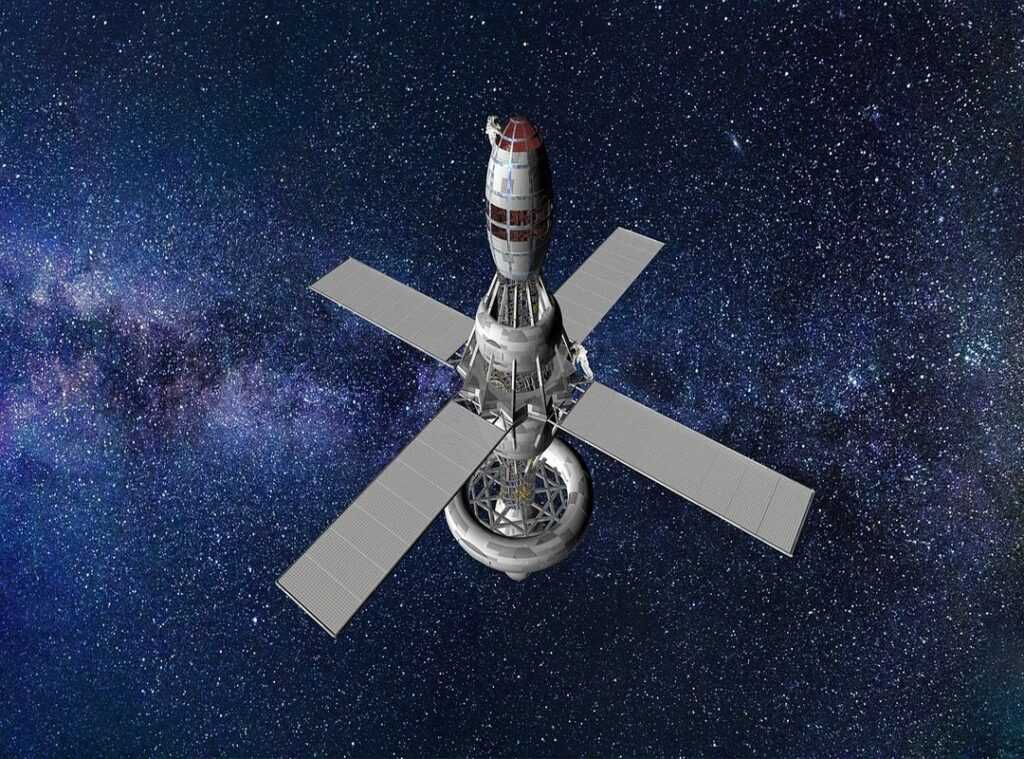
Space travel fascinates us, yet it confuses us. We dream of interstellar adventures but often get lost in the hype.
This article cuts through the noise. I’ll give you an authentic look at the space tourism future. Here, we’ll explore where space travel is really headed.
You deserve clarity on this topic. I’m committed to fact-checking and analyzing developments from reliable sources. This isn’t just speculation; it’s about real advancements and the technologies shaping our journey into the stars.
What are the key drivers behind this excitement? What destinations are in the pipeline?
With my experience tracking major shifts in the aerospace industry, I aim to provide you with a grounded understanding.
By the end of this, you’ll have a full view of the next era in space exploration. Let’s dive in and unpack the future of space travel together.
The New Space Race: Commercial vs. Government Frontiers
Remember when space exploration was all about NASA and the USSR? Yeah, those days are gone. Now, it’s a wild mix of private companies and government agencies vying for the stars.
Why the shift? Private companies bring big advantages. They cut costs, drive innovation, and speed up development.
Who wouldn’t want faster, cheaper space travel?
Think of SpaceX, Blue Origin, and Rocket Lab. These companies are competing like they’re in a sci-fi movie scene. SpaceX is launching rockets at a pace that would make any government blush.
Government agencies are getting smart too. They’re partnering with these private players. NASA contracts with SpaceX to haul cargo and humans to the ISS.
Blue Origin dreams of space tourism (it’s not just a fantasy anymore). And Rocket Lab? They’re the scrappy underdog, proving small can be mighty.
It’s a collaboration, not a contest. This “new space race” isn’t just about who gets there first. It’s about making space more accessible.
And sure, this all influences our future. Could the global impact climate protests push more focus on space as a refuge? Who knows?
But the space tourism future is closer than ever.
Breakthrough Technologies Powering Future Missions
Space travel fascinates me. It’s no longer just for NASA or sci-fi movies; it’s real and happening. With reusable rocket technology, companies have slashed costs and upped launch frequency.
Imagine rockets that aren’t tossed away after a single flight. Brilliant, right? This innovation is a game changer for the growing space tourism future.
Now, propulsion systems are getting a makeover too. Sure, chemical rockets got us this far, but electric propulsion and nuclear thermal systems are gearing up for deep space missions. These aren’t just science fiction; they’re paving the way for real interplanetary travel.
Think less fuel, more distance.
What about using what we find out there? In-situ resource utilization (ISRU) is about mining resources like water ice on the Moon. Why haul everything from Earth when you can use local resources?
It’s key for long-term missions and sustainability.
Robotics and AI, alongside miniaturization, are making missions more autonomous and complex with fewer resources. Smaller payloads packed with tech are now the norm. It’s like the tech equivalent of packing smarter, not heavier.
Curious about the future of space travel and what’s driving it? It’s fascinating to see these advances unfold!
Moon, Mars, and Beyond: Tomorrow’s Frontier
When I think about space, the Moon always comes to mind. Not just because we’ve been there, but because of what’s next. Establishing lunar bases isn’t just a dream anymore.
It’s strategic. We’re talking scientific research, resource extraction (think rare elements), and a stepping stone for Mars missions.
Why Mars, you ask? It’s the best shot we’ve got for a second home. Sure, challenges like thin atmosphere and radiation are real.
But we’ve faced worse, right? Current timelines are ambitious, with human missions floating around in the 2030s. The idea of colonization isn’t just exciting; it’s viable.
Let’s not forget asteroids. The potential for mining is huge. Imagine extracting metals that could transform space industries.
It’s like striking gold, but on a cosmic scale. And the resources could benefit Earth too.
The space tourism future buzz is wild, but it’s only part of the conversation. If you think everyone talking about AI is exciting, just wait. The possibility of jetting to outer planets or interstellar travel is there, but the tech isn’t.
Not yet. We’re still figuring out the basics, but isn’t that what makes it thrilling?
Space Tourism: Exploring New Frontiers
Space tourism is the next big thing. But let’s be real: it’s not for everyone. Right now, it’s a luxury only a few can afford.
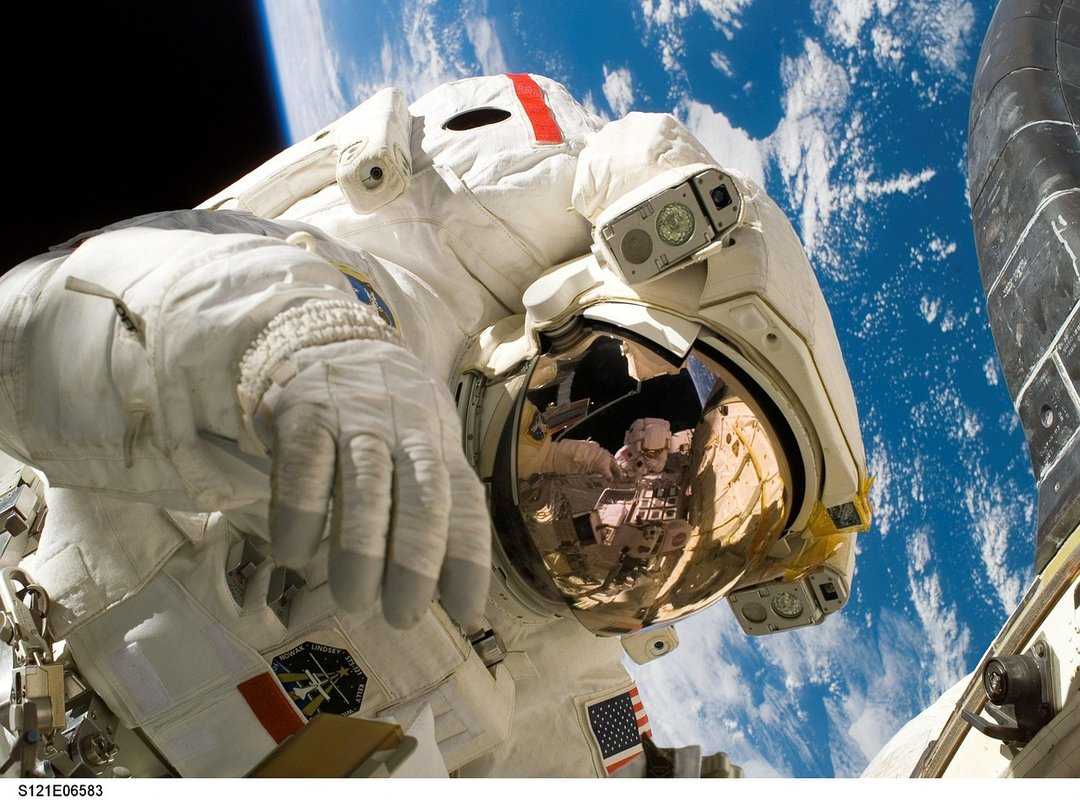
Suborbital flights are the cheaper option, offered by companies like Blue Origin. They give you a taste of space without breaking the bank (as much). Orbital flights?
That’s another story. We’re talking millions, with SpaceX leading the charge. Who’s paying for this?
Not me, that’s for sure.
Now, let’s dream bigger. Space hotels and orbital habitats for civilians sound like sci-fi, right? Yet, they’re on the horizon.
But will they be accessible to regular folks? Probably not anytime soon. It’s the billionaires’ playground for now.
But what about other commercial ventures? In-space manufacturing and satellite servicing could change industries. Imagine space-based power generation.
That’s a game-changer.
Here’s the kicker: will these industries impact global economies? Absolutely. But will space travel become democratic?
I doubt it. It’s going to stay exclusive for a while. So, is the “space tourism future” really for us?
Or just a headline for the rich? Only time will tell. But I’ll keep my feet on Earth for now.
Space Challenges: Ethics, Debris, and Governance
Space debris is a mess we’ve created up there. It’s not just a nuisance; it’s downright dangerous. Imagine tiny pieces of junk traveling at thousands of miles per hour, ready to smash into key satellites.
But what do we do about it? Active debris removal could be an answer. Think of it like taking out the space trash (but more complex).
Now, consider the ethical side of things. Are we about to contaminate other planets with earthly microbes? We have to ask ourselves: should we protect these celestial bodies or is that too idealistic?
Space law is another tangled web. Who owns what out there? It’s not the Wild West; regulations exist, but are they enough?
The rules of engagement are key. And speaking of engagement, what about the militarization of space? The potential for conflict is real.
It’s a chilling thought.
Let’s not ignore the environmental impact. With the rise in rocket launches, sustainability isn’t just a buzzword. Are we doing enough to curb this?
Probably not yet. The “space tourism future” people dream of needs more than just vision. It requires responsibility.
Will we rise to the challenge?
Navigating the Space Frontier
I hope this article gave you a clear view of the space tourism future. It’s easy to get lost in the hype rather than the real progress happening in space travel. Understanding technology, economics, and policy is important to grasp why this field is both thrilling and complicated.
So what’s next? Stay informed about these developments. Think about their implications for our lives.
Engage in the conversation about humanity’s future in space. You can’t afford to sit on the sidelines. Dive in now and make your voice heard.
The future is unfolding fast. Don’t miss out.
 Travis E. is a contributor at Eyex News with a focus on global headlines, unusual discoveries, and emerging topics gaining international attention. Passionate about uncovering stories that combine relevance with curiosity, he delivers content designed to keep readers informed while exploring unique angles often overlooked in mainstream reporting.