
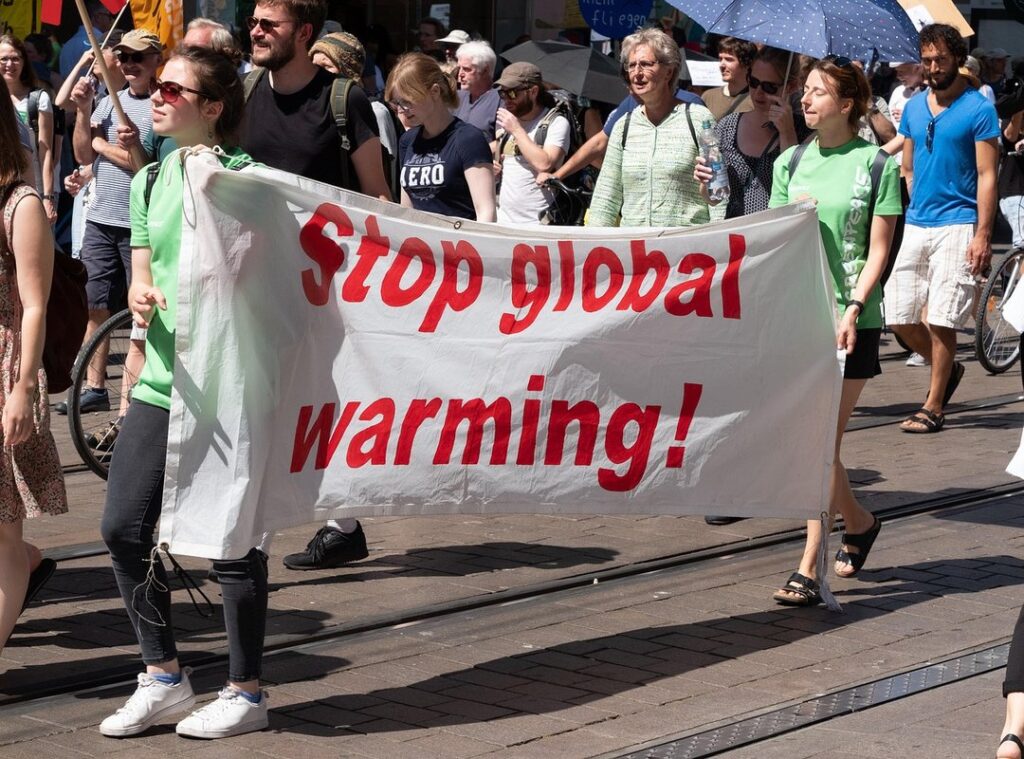
We all feel it. The unrest and chaos unfolding on our screens. Every day, people flood the streets, demanding change.
But why are they out there? It’s tough to grasp the deeper motivations and connections behind these global protests change.
I’m here to help you cut through the noise.
This article dives into the ‘what,’ ‘why,’ and ‘how’ of these significant movements. I draw on years of observing societal shifts, aiming to reveal the patterns that connect these solid expressions of public will.
You deserve more than just headlines.
I’ll provide you with a clear, investigative perspective on what’s happening around the world. You’ll gain takeaways that make sense of the chaos.
Together, we’ll explore these protests, understanding their roots and implications. By the end, you’ll have a clearer picture of this moment in history and the forces driving it.
The Global Pulse: What Fuels the Fight for Change?
When we talk about “worldwide demonstrations for change,” it’s more than just protests. It’s a collective demand for systemic shifts. People are tired.
Fed up with economic inequality that keeps widening the gap between the rich and the poor. And let’s not ignore the climate crisis (an) urgent threat buzzing in everyone’s ears (literally causing wildfires and floods). There’s also the push for political freedom and social justice.
These aren’t just local gripes. They’re universal cries for fairness, dignity, a better shot at the future.
But why now? Why does it feel so… alive today? Hasn’t collective action always been here?
Well, yes. But what’s different is the global scale. The interconnectedness.
Social media’s got a big hand in that. A protest in one corner of the world resonates everywhere, tapping into the human desire for change. Just look at the Covid Vaccination Current Status.
It’s a perfect example of how global issues ripple through societies.
(oops, cliche), these are more than just hot topics. They’re a unifying cry for change. It’s not just about shouting slogans; it’s about changing the narrative.
That’s the pulse of global protests change.
Streets in Motion: Uniting Global Voices
I’ve always been fascinated by how global protests change the world. It’s like watching a live wire of energy. From the cry for democracy in Hong Kong to climate warriors in Europe, there’s a lively pulse of activism.
These aren’t isolated incidents, though. They’re threads of a shared human mix. Funny how people separated by oceans end up shouting the same slogans, right?
to this phenomenon. Take Europe, for example. Climate strikes have put the spotlight on environmental policies.
Goliath all over again. People are done with governments that pretend to listen.
Greta Thunberg, love her or hate her, inspired a tidal wave that can’t be ignored. Meanwhile, in Asia, you’ve got pro-democracy movements challenging authority. It’s David vs.
What intrigues me is the decentralized nature of these protests. There’s no single leader. Instead, it’s a hive mind of passionate individuals.
This lack of hierarchy is both a strength and a weakness. It fuels creativity but can also lead to chaos when things go sideways.
Cultural and political contexts add another layer. In the US, social justice movements have ignited debates on race and equality. Latin America sees economic inequality take center stage.
Each region has its own flavor, yet the core themes. Freedom, justice, sustainability (remain) universal.
So, what’s the takeaway here? Maybe it’s that these movements highlight our shared struggles. (And let’s be honest, who doesn’t love a good underdog story?) Pro tip: Keep an eye on these protests. They’re shaping the future, whether we like it or not.
Voices Amplified: Tech’s Role in Global Change
Ever noticed how rapidly protest messages flood our feeds? One minute, a spark in one corner of the world, and the next, it’s a wildfire of solidarity and shared outrage. Social media and digital platforms have turned whispers into roars, organizing and mobilizing voices for global protests change.
But is this a blessing or a curse?
Sure, the reach is unprecedented. Images and messages zip around the globe faster than you can say “digital age.” It’s exhilarating, isn’t it? Yet, this speed comes with its own pitfalls: misinformation, digital surveillance, and repression.
The tech that unites us can just as easily divide.
Compare this to historical movements relying on newspapers and radio. Slow, cumbersome. Today’s activists have a power those revolutionaries could only dream of.
Yet, the challenges remain.
Can we trust these platforms to help us without exploiting us? Or do we fall victim to their control? It’s a tricky balance.
But this isn’t just about activism. Online dynamics impact many areas, like the E Commerce Surge Retail Dynamics, where digital evolution reshapes everything.
In the end, navigating this digital echo chamber demands awareness, skepticism, and a constant questioning of our virtual tools.
Beyond the Headlines: The Real Impact of Mass Mobilization
When we talk about “worldwide demonstrations for change,” it’s easy to get swept up in the media frenzy. But what’s the real impact here?

In the short term, these protests often spark immediate policy shifts. You see government officials scrambling to address demands, sometimes overnight. But is that enough?
Sure, the media loves a good protest. You’ll see headlines screaming about it. But let’s not kid ourselves: real change takes time. the long-term effects come in.
We’re talking about sustained cultural change and serious legislative reforms. Look at how the civil rights movement reshaped America.
But measuring “success” is tricky. Change doesn’t happen in a flash. It often involves incremental steps.
Ever notice how some movements fizzle out while others stick around and alter the political space?
Take the gen z protesters around the world, for example. They’re shaking things up in ways we haven’t seen before. But will it last?
The ripple effect is undeniable. Movements inspire others globally, contributing to a culture of activism. But not every protest leads to victory.
Some face brutal resistance. Sometimes the impact is subtle but deep.
So what’s the takeaway? Global protests change more than just laws. They shift mindsets.
And that might be the most significant impact of all.
Navigating the Noise: How to Understand Global Movements
Every day, we’re bombarded with news about global protests. It’s overwhelming, right? But here’s the thing: understanding these movements isn’t impossible.
First, you need to seek diverse sources. Why? Because relying on just one perspective narrows your view.
You can’t grasp the full picture if you’re only seeing one side.
Next, dive into the local context. Every protest stems from specific historical and political roots. Without this context, you might miss the point entirely.
It’s not just about what’s happening now; it’s about what led to it.
How do you know if the news you’re reading is reliable? Look for facts, not drama. Sensational headlines often skew the narrative.
Engagement is key. If a cause resonates with you, find ways to support it. Maybe it’s sharing credible information or participating in discussions.
And yes, sometimes even “reliable” sources slip up. So, cross-reference when in doubt.
Don’t just watch from the sidelines.
Finally, learn to read the signs and symbols of protest. They’re not just random acts. They’re messages.
Decode them, and you’ll understand the true essence of global protests change.
Navigating Change Together
I know the confusion surrounding global unrest can feel overwhelming. But you can overcome it. Understanding the drivers of global protests change is within reach.
By digging deeper than surface-level events, you’ll appreciate the forces shaping our reality. Stay curious and informed. Seek out reliable takeaways to make sense of the complexities.
Don’t let confusion keep you in the dark. Start exploring today. The world needs informed voices like yours.
Let’s break down those barriers.
 Lirithyn Dusklance is a contributor at Eyex News who specializes in social trends, cultural developments, and fast-moving online discussions. Known for her engaging writing style and attention to detail, she creates informative articles that help readers stay updated on the latest conversations influencing media and society.