
I’ve watched too many artists draw perfect faces (then) wonder why no one remembers their characters.
You know that feeling. You spend hours on anatomy, shading, color theory. And still, something’s missing.
It’s not about drawing better. It’s about designing smarter.
Characters stick when they do something. When they mean something. When you see them and instantly get who they are.
Even before they speak.
That’s what Character Design Tips Altwayguides is about.
Not theory. Not vague advice. Real choices I’ve used (and seen work) with storytellers, game devs, and illustrators for years.
Like using silhouette to signal personality. Or picking one detail that tells the whole backstory. Or cutting features instead of adding them.
You don’t need more tools. You need sharper decisions.
And yes. I’ve seen people fix weak characters in under an hour by changing just two things. Two.
This article gives you those two things. Plus five more that actually move the needle.
No fluff. No jargon. Just what works.
By the end, you’ll know how to make a character feel real (not) because they’re drawn well, but because they’re designed to be unforgettable.
Start with Their Story
I skip straight to the sketch sometimes. Big mistake. (You’ve done it too.)
Before I draw a single line, I ask: Who are they? Not what they wear. Who they are.
That’s where Altwayguides starts (not) with silhouettes, but with stakes.
What do they want? What scares them? How do they talk when they’re tired?
Those answers shape everything. A knight who charges headfirst won’t stand like one who waits for betrayal. Same armor.
Different shoulders. Different eyes.
You think about posture before you pick a sword style.
A rogue who lies for survival doesn’t hold eye contact. A healer who’s seen too much wears quiet hands.
It’s not about slapping on traits. It’s about letting their life leak into how they occupy space.
You ever draw someone and realize halfway through they look bored? That’s backstory missing.
Character Design Tips Altwayguides nails this: appearance follows action, and action follows motive.
So ask hard questions first. Then draw.
What’s really in their pockets? Not the weapon. The reason they need it.
Shape Language: What Your Character’s Silhouette Says Before
What shape jumps out first when you see a character? Not their face. Not their clothes.
Their outline.
I look at silhouettes first. Always. Circles feel soft.
Friendly. Safe. (Think Po from Kung Fu Panda (round) belly, round cheeks, round posture.)
Squares say stable.
Strong. Reliable. (Captain America’s broad shoulders, straight back, blocky jaw.)
Triangles scream danger.
Speed. Tension. (Thanos’ chin, Loki’s horns, Wolverine’s claws.)
You already know this. You just don’t call it shape language yet. It’s not theory.
It’s instinct.
Where do you put these shapes? In the head. The shoulders.
The hips. Even the belt buckle. A villain with triangular shoulders and circular eyes feels off (and) that’s the point.
A hero with square hands but rounded knuckles? That says “strong but gentle.”
Mix them. Break them. Bend them.
A square body + circular smile = trustworthy leader. A triangle jaw + circular glasses = sharp mind, warm heart. You’re not choosing one shape.
You’re stacking signals.
This is why shape language works faster than color or costume.
It hits before your brain catches up.
Want more practical takes like this? Check out our Character Design Tips Altwayguides. No fluff.
Just what moves the needle. What shape would your next character lead with?
What Your Character’s Colors Really Say
I pick red when I want you to feel danger before the first line of dialogue. Not passion. Not love.
Danger.
Blue isn’t just calm. It’s exhaustion, silence, or a mind that’s already checked out. I’ve seen blue characters get misread as “safe” until they snap.
(Spoiler: they always snap.)
Green? Nature is fine (but) envy hits harder. And sickly green?
That’s not forest air. That’s poison in the water.
You don’t need ten colors. Three works. Two works better.
One dominant color tells me who they are. One accent tells me what they hide.
I used this trick in Online gaming guides altwayguides (not) for flashy UIs, but for NPCs you remember after logging off.
That yellow sash on an otherwise gray outfit? That’s not decoration. That’s the lie they tell themselves.
Purple means royalty only if the world agrees. In a gritty cyberpunk street, purple means synth-dust addiction. Context rules.
Always.
Gray isn’t neutral. It’s avoidance. Or boredom.
Or both.
Brown isn’t boring. It’s stubborn. Grounded.
Unmoved.
White isn’t pure. It’s blank. Waiting.
Or erased.
Color psychology isn’t theory. It’s shorthand. You use it.
Or your audience fills in the blanks for you.
And they’ll probably get it wrong.
Stick to three colors. Pick one truth. Let the rest support it.
That’s how you build recognition (not) just in art, but in memory.
Character Design Tips Altwayguides starts here. Not with brushes. With choices.
Costumes and Props Are Clues
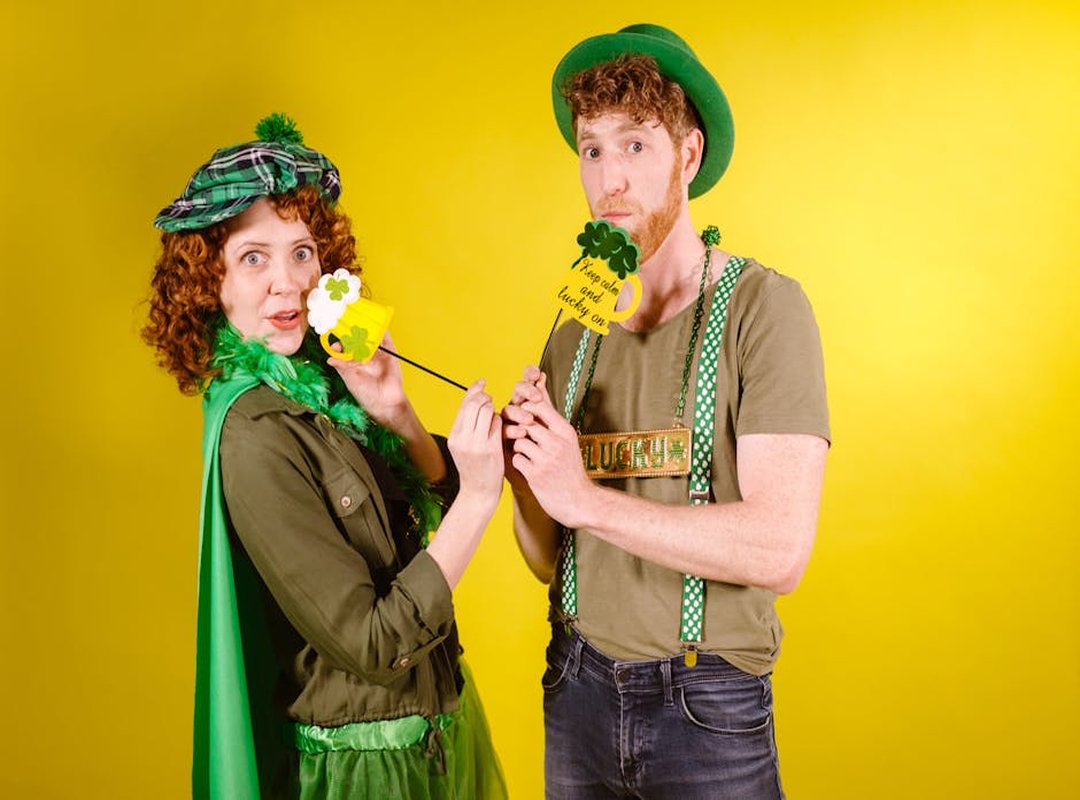
I don’t dress my characters just to fill space.
Their clothes and stuff tell you who they are (fast.)
What do they do for a living? Where do they sleep? What do they carry every day?
A wizard wears robes (but) why these robes? Faded ink on the cuff? A moth-eaten hem?
A mechanic wears overalls (but) are they patched with duct tape? Smelling faintly of diesel?
You already know this.
You’ve seen it in movies, in books, in real life.
Add one weird detail that sticks. A chipped locket with no photo inside. A scar shaped like a fork.
A wrench taped to a belt because the handle broke twice.
That’s where personality lives. Not in the outfit, but in the wear, the choice, the flaw.
Don’t add props just to check a box. Ask: Would this person really own this? Use it?
Forget to clean it?
Real people have habits. So should your characters.
This isn’t about looking cool.
It’s about being believed.
I use these Character Design Tips Altwayguides when I get stuck (and) I get stuck often.
You will too. So keep asking: What does this say? Not what does it look like?
Exaggerate or Disappear
I push features until they snap. Big eyes. Tiny feet.
A nose like a shovel.
If you can’t read it from across the room, it’s not working.
A strong silhouette tells the story before the details do. I test mine by squinting at thumbnails. If I can’t name the character, I simplify.
Too many lines? Too many textures? Too many things?
Then it’s noise. Not personality.
You don’t need realism to feel real. You need clarity. You need attitude.
You need one idea that sticks.
That’s why I cut first, then add back only what fights for its place.
Want more Character Design Tips Altwayguides? Check out the Gaming tips and tricks altwayguides page. (Yes, I stole that phrase from their header.
It fits.)
Your Characters Are Waiting
I’ve seen what happens when people skip the story and jump straight to shading. They get stuck. Fast.
You want characters that stick in people’s minds. Not just look cool on a page.
That means starting with why they exist (not) just how they’re drawn. Shapes tell mood. Colors whisper tone.
Details build trust.
You already know this.
You just need to try it.
Pick one character you’ve been avoiding. Or start fresh. Apply Character Design Tips Altwayguides.
Right now.
No more waiting for inspiration.
No more redoing eyes three times.
Just draw. Adjust. Repeat.
What’s stopping you from opening your sketchbook today?
Go.
 Lirithyn Dusklance is a contributor at Eyex News who specializes in social trends, cultural developments, and fast-moving online discussions. Known for her engaging writing style and attention to detail, she creates informative articles that help readers stay updated on the latest conversations influencing media and society.