Water scarcity is a crisis lurking in plain sight. You might think you live in a place with plenty of water, but trust me, it’s more complicated than that. This article digs into the global water shortage and its alarming impact on our daily lives.
I aim to unpack this issue in a way that goes beyond the headlines. Why? Because understanding the true causes and consequences of water scarcity can help you to take action.
I’ve spent time researching environmental and social factors that contribute to this crisis.
You deserve a clear, straightforward explanation of what’s happening and why it matters. I’ve analyzed complex global resource challenges before, and I’m committed to providing you with unbiased takeaways.
Get ready to learn about the real stakes of water scarcity and the actionable solutions we can pursue together. This isn’t just another dry read; it’s a call to awareness and change.
Water Scarcity: More Than a Thirsty Problem
When we talk about water scarcity, what are we really saying? It’s simple. There’s not enough fresh water to meet demand.
But let’s break it down. Physical water scarcity means there’s genuinely not enough water where people need it. Imagine living in a desert. You can’t pump water that’s just not there.
Frustrating, right?
On the flip side, economic water scarcity is trickier. There’s water, but it’s locked behind walls of poor infrastructure or management. Plenty of rivers, no taps.
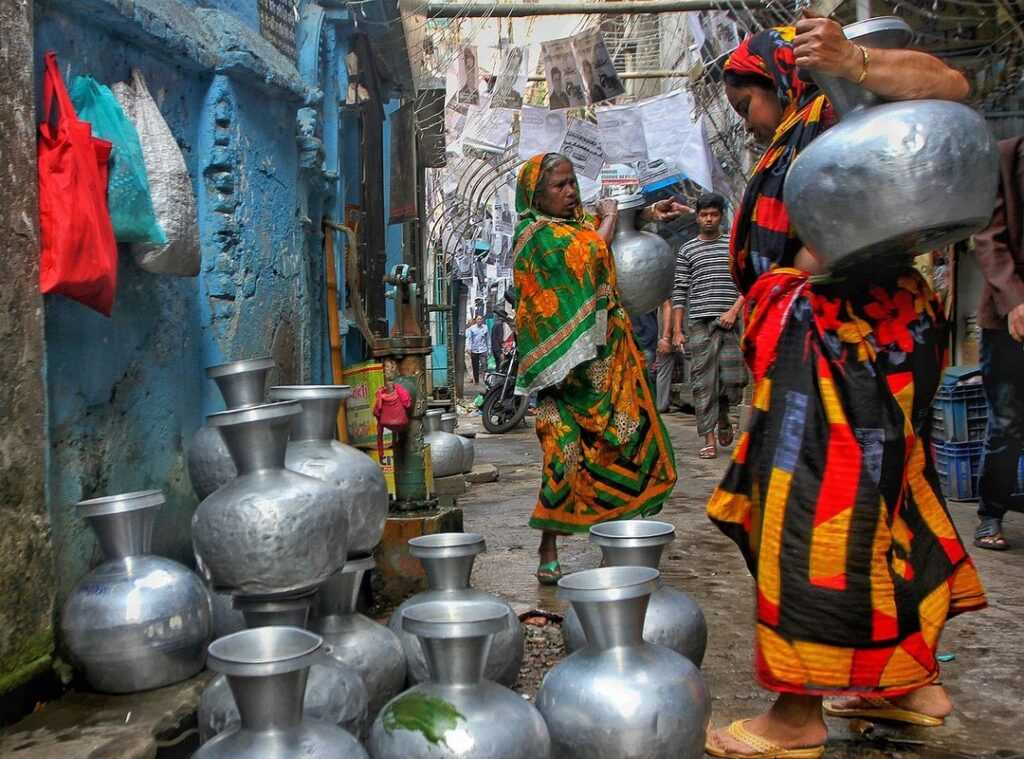
Consider this: Nearly a billion people worldwide lack access to clean drinking water. That’s staggering. Global water shortage isn’t just a buzzword (it’s) a reality.
Regions like Sub-Saharan Africa are examples where economic scarcity runs rampant. They’re surrounded by water but without the means to use it effectively.
What’s water stress then? It’s about more than just quantity. Picture communities with water that’s contaminated or restricted.
Access isn’t just about having enough; it’s about having safe, reliable sources.
Oh, and if you’re worried about cybersecurity, check out Understanding Cybersecurity Threats. You wouldn’t leave your doors unlocked, would you? Just like with water, access and protection are everything.
The Thirsty Planet: Unmasking Water Shortage Causes
Water shortages are a global crisis now. Climate change is the villain, wrecking weather patterns. Droughts last longer.
Glaciers melt, reducing fresh water. Remember Cape Town’s “Day Zero”? They almost ran out.
Then there’s overpopulation. More people means more water demand for homes, factories, and farms. Cities swell, but water supplies don’t.
Think of Las Vegas. Growing fast, but the water? Not so much.
Pollution is another culprit. Factories and farms dump waste into rivers. This makes water unusable.
Look at the Ganges in India. It’s sacred, yet heavily polluted. Sad, right?
Water management is a mess. Leaky pipes, wasteful irrigation, and bad governance plague us. Flint, Michigan knows this too well.
Aging pipes leached lead into their water. A nightmare.
Yet, we don’t fix these issues. Why? Lack of urgency?
Misplaced priorities? We have to ask ourselves these tough questions. The global water shortage isn’t going away without action.
These problems are intertwined. Fixing one means addressing them all. We need better policies, technologies, and awareness.
Only then can we hope to slake the thirst of a growing planet. What are we waiting for?
Beyond the Drought: Water’s Ripple Effect
Water scarcity isn’t just about dry rivers and empty reservoirs. It’s a global water shortage that reshapes our world in ways many don’t see. Lack of clean water is a direct hit to human health.
Ever thought about how this leads to waterborne diseases? It’s a nightmare, particularly for vulnerable populations. Imagine living without clean water.
Hygiene becomes a luxury.
Food security takes a nosedive too. No water means crops wither and livestock perish. Farmers in California know this struggle all too well.
Prices soar, and suddenly, dinner costs more. It’s not just about hunger; it’s about survival.
Economically, it’s a disaster. Industries slow down, jobs vanish, and costs skyrocket. Businesses and governments buckle under the pressure.
They’re more common than you’d think.
Then there’s the potential for social unrest. When communities or nations fight over dwindling resources, tensions flare. Ever heard of disputes over shared rivers?
Africa, for instance, faces health crises. Meanwhile, shared rivers spark tensions in the Middle East. This isn’t just a local issue.
Check out this global water shortage for more insight. It’s a worldwide concern, reshaping everything from health to politics.
Turning the Tide: Water Solutions That Work
Water scarcity is no joke. It’s a global water shortage crisis, and we need real solutions. Desalination is one option (turning salty ocean water into something drinkable), but it’s pricey and energy-heavy.

Why aren’t we throwing more cash at making it cheaper? That’s a question worth asking.
Then there’s wastewater treatment. This tech is mind-blowing. We can actually recycle sewage into safe water for farming or industrial use.
Crazy, right? It’s not just theory; it’s happening now. More places should jump on this.
Agriculture needs a makeover too. Drip irrigation and drought-resistant crops can cut water use massively. It’s simple but game-changing.
And precision farming? It’s like farming with a microscope. We should all be talking about this.
Policy matters. Water pricing and smart regulations can shift behavior. Look at international agreements on shared water bodies (they’re not just talk).
They work when taken seriously. Want proof? Just check out how some countries have transformed their water access.
While we’re on big changes, think about how an education system crisis can reflect broader societal issues. It all connects. The solutions are out there.
We just need to act.
Your Role in the Solution: Practical Steps for Water Conservation
Water conservation isn’t just a buzzword; it’s a necessity. With the global water shortage looming, every drop counts. Start at home.
Take shorter showers. Fix that leaky faucet (you know the one). It’s amazing how much water we waste without even thinking about it.
But it’s not just about what you do alone. Get your community involved. Join local clean-up drives or advocacy groups.
Ever thought about your water footprint? It’s real, and it’s big. Support businesses that practice sustainable water use.
Make informed choices.
And hey, don’t underestimate your voice. Advocate for better water policies. Push for infrastructure improvements.
Your voice can influence change. Politicians listen when enough people speak up.
Feeling overwhelmed? Don’t be. Start small.
Every effort counts. Look for resources to learn more. Attend workshops or webinars.
Share what you learn with others. Collective action leads to real solutions.
So, what’s your next step? In this time of need, we must act. We can’t leave it to someone else.
It’s our responsibility. Let’s make a difference together. Remember, the power is in our hands.
Let’s use it wisely.
Take Action on Water Scarcity
Now you know the truth about global water shortage. The threat it poses is real and growing. It affects all of us and demands urgent action.
We can’t afford to ignore it.
Innovation, policy changes, and individual responsibility are our best paths forward. These solutions are effective and necessary for a sustainable future.
So what can you do? Start by practicing water-saving habits today. Advocate for sustainable water management in your community.
Spread awareness. Together, we can make a difference and secure our shared future. Let’s act now before it’s too late.
 Vionaryn Glimmerquill is a contributor at Eyex News with a focus on global headlines, unusual discoveries, and emerging topics gaining international attention. Passionate about uncovering stories that combine relevance with curiosity, he delivers content designed to keep readers informed while exploring unique angles often overlooked in mainstream reporting.