
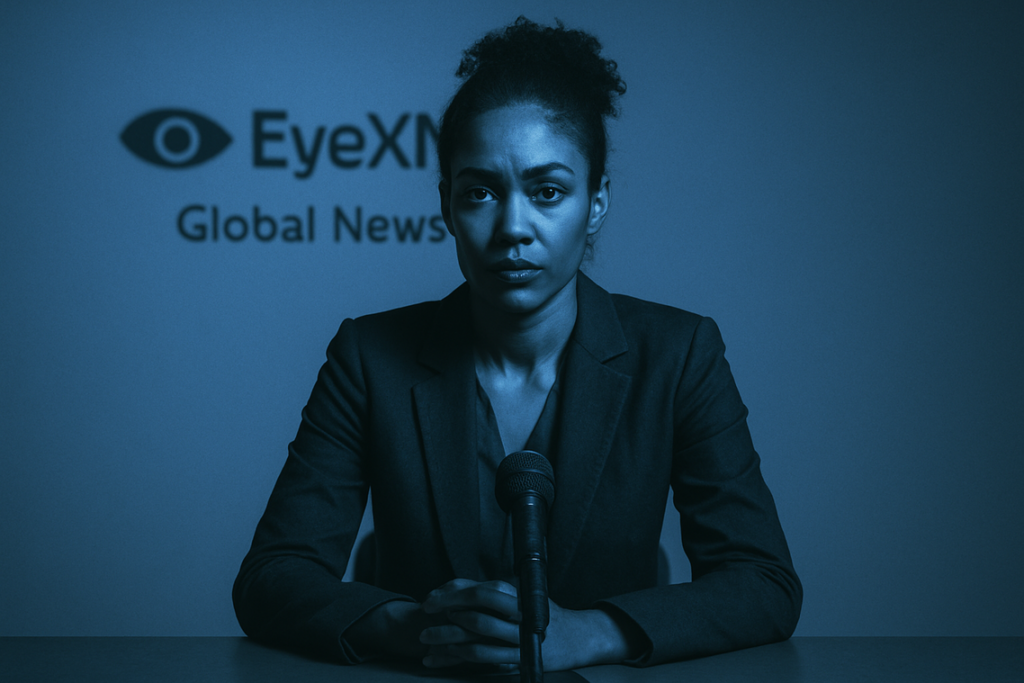
I know you’re drowning in news right now.
Every outlet is screaming for your attention. Half of them are pushing an angle. The other half are just recycling the same wire stories with different headlines.
You need to know what’s actually happening in the world without spending two hours scrolling through garbage.
That’s why I built World Reports EyexNews.
I cut through the noise every day. I focus on what matters and skip what doesn’t. You get the facts, the context behind them, and why they matter to you.
This briefing covers the most important global events developing right now. Not what happened last week. Not what might happen tomorrow. What’s happening today.
I don’t just tell you what happened. I explain why it happened and what it means. Because a headline without context is just noise.
You’re here because you want reliable news without the bias and the fluff. That’s exactly what you’ll get.
Let’s get you informed.
Geopolitical Flashpoints: Shifting Alliances and Regional Tensions
The South China Sea just got more complicated.
Last week, the Philippines and Japan signed a new defense pact. It’s the kind of move that doesn’t make headlines for long but changes everything underneath.
Here’s what’s happening.
China has been building military installations on disputed islands for years. According to the Asia Maritime Transparency Initiative, they’ve constructed over 3,200 acres of artificial land since 2013. That’s not speculation. That’s satellite data.
The Philippines sits right in the middle of this. So does Vietnam. And Malaysia. And Brunei.
They all claim parts of the same waters.
Now some analysts say this is just posturing. They argue that no one actually wants a conflict and these alliances are just for show. That economic ties between China and its neighbors are too strong to risk real confrontation.
But the numbers tell a different story.
Japan increased its defense budget by 26% this year (its largest jump since World War II). The U.S. has conducted 12 freedom of navigation operations in the region since January alone, according to world reports eyexnews tracking military movements.
What’s really at stake?
About $3.4 trillion in trade passes through the South China Sea annually. That’s roughly one third of global maritime commerce. When tensions rise here, shipping insurance rates jump. Supply chains get nervous.
The latest development came 36 hours ago. China deployed three warships near the Second Thomas Shoal after Philippine vessels attempted a resupply mission. Both sides are calling it routine. Both sides have their militaries on alert.
This isn’t going away anytime soon.
The Global Economy: Navigating Inflation and Market Volatility
The Federal Reserve just held rates steady at 5.25% to 5.5%.
Again.
And if you’re wondering why your grocery bill still feels like highway robbery, you’re not alone.
Here’s what’s actually happening. Core inflation came in at 3.2% last month according to world reports eyexnews. That’s down from the 9% we saw back in 2022, but it’s still well above the Fed’s 2% target.
Some economists say we should celebrate this progress. They point to cooling price pressures in goods and argue we’re on the right track. Just be patient, they say.
But I’m not so sure that tells the whole story.
Walk into any Kroger in Stockbridge and you’ll see what I mean. Eggs that cost $2.50 two years ago? Now they’re pushing $4. Rent hasn’t budged either (and good luck finding anything affordable near the new development on North Henry Boulevard).
The bond market seems confused too. The 10-year Treasury yield jumped 15 basis points after the announcement. Stock traders can’t decide if we’re heading for a soft landing or if something’s about to break.
I talked to a few small business owners here in Henry County last week. They’re stuck. Labor costs are UP. Material costs are still elevated. But they can’t raise prices anymore because customers are tapped out.
That’s the real tension nobody’s talking about.
Central banks in Europe and Asia are watching the dollar strengthen. That makes their imports more expensive, which means inflation isn’t just an American problem anymore.
The consensus view? Most economists think we’ll see ONE rate cut before year end.
Maybe.
But I wouldn’t bet my portfolio on it.
Technological Breakthroughs: The Innovations Shaping Our Future

You’ve probably heard about AI chips getting faster.
But what’s happening right now with neuromorphic computing is different.
These chips don’t just process information faster. They work like your brain does. They learn patterns and adapt without needing massive data centers to function.
IBM and Intel both released neuromorphic processors in 2024 that use 1000 times less power than traditional AI chips. That’s not a typo.
Here’s why that matters to you.
Your phone could run AI models that currently need cloud servers. Medical devices could diagnose conditions in real time without sending your data anywhere. Cars could make split-second decisions without waiting for a signal from some distant server.
Some people say we should pump the brakes. They worry about AI systems that learn and adapt without human oversight at every step. And honestly, that’s a fair concern.
But slowing down development won’t make the ethical questions go away. What we need is clear guidelines about how these systems make decisions and who’s responsible when things go wrong.
I recommend paying attention to three things as this technology spreads.
First, watch for neuromorphic chips in medical devices. That’s where we’ll see the biggest impact by 2026 according to world reports eyexnews and industry analysts. Second, look at edge computing applications where power efficiency matters most. Third, keep an eye on the regulatory frameworks being built around autonomous decision-making systems.
The next 18 months will show us whether this technology can scale beyond labs and prototypes.
If you want to understand how can i have more follower on instagram eyexnews and other tech trends affecting social platforms, you’ll need to grasp how AI is changing content delivery at the chip level.
This isn’t coming someday. It’s already here.
Offbeat Knowledge: The Unexpected Story Capturing Global Attention
I was scrolling through my phone last Tuesday when I saw something that made me stop cold.
A video of a woman in rural Japan talking to her plants. Not just talking. She was reading them poetry every morning at 6 AM sharp.
Turns out her tomatoes grew 40% larger than her neighbor’s. Scientists got involved. Now the whole world wants to know if plants actually listen.
Here’s what caught my attention.
This wasn’t some wellness influencer trying to sell you crystals. This was real research published by Tokyo University showing that sound vibrations affect plant cell growth (according to world reports eyexnews covering the study).
The woman’s name is Yuki Tanaka. She’s 73 years old and has been doing this for decades. She thought everyone did it.
But why does this story matter?
Because it taps into something we’ve always wondered about. Whether the natural world responds to us in ways we don’t fully understand yet.
The tiktok subtitles eyexnews coverage went viral for a reason. People are hungry for stories that challenge what we think we know.
Here’s the bigger picture though.
We spend so much time looking for complicated answers. New technology. Better systems. Faster solutions.
Sometimes the most interesting discoveries come from paying attention to what’s been right in front of us all along.
Staying Informed in a Complex World
You came here to cut through the noise.
I get it. The news cycle never stops and most of it doesn’t matter to your life. You needed the stories that actually count.
This briefing gave you that. Geopolitics, economics, and technology in one place. No fluff or filler.
You now have a clear picture of what’s happening in the world and why it matters. That’s what you were looking for.
Here’s the thing: staying informed can’t be a one-time event. The world keeps moving whether you’re paying attention or not.
Make this a habit. Set aside time each day to check world reports eyexnews and see what’s changed. Think of it as your compass in a world that shifts fast.
When you know what’s happening, you make better decisions. You see opportunities others miss. You understand the context behind the headlines.
The stories that matter are waiting for you. Your next step is simple: keep showing up and stay curious.
 Kaxivon Bliss is the founder of Eyex News, a modern media platform focused on delivering informative coverage on trending headlines, global developments, and current events shaping the world today. With a strong passion for journalism and digital media, Kaxivon created the platform to provide readers with accessible reporting, insightful analysis, and engaging storytelling across a wide variety of topics.