
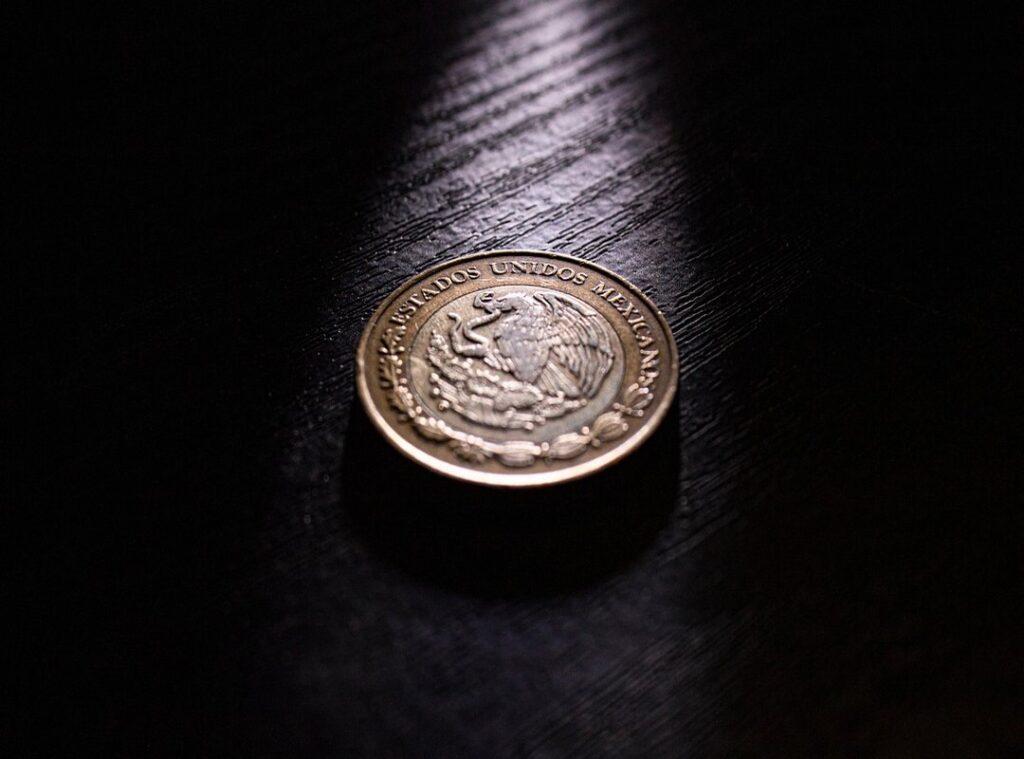
If you’re looking to convert 1200 pesos mexicanos a peso chileno, the current exchange rate is about [insert most up-to-date rate here]. Whether you’re planning a trip, shopping online, or sending money, it’s important to know exactly how much you’re getting. I’ll break down how the exchange rate is calculated and what factors can influence it.
You’ll also learn how to find the best rates and avoid hidden fees. This guide will make sure you understand everything clearly.
Understanding the MXN to CLP Exchange Rate Today
An exchange rate is the price of one currency in terms of another. Simple, right?
The mid-market rate, or interbank rate, is the ‘real’ exchange rate that banks and transfer services use to trade among themselves. It’s like the wholesale price.
Let’s say you want to convert 1200 pesos mexicanos a peso chileno. The formula would be: 1200 MXN * (Current CLP per 1 MXN) = Total CLP.
But here’s the catch. The rate you get as a consumer is different from the mid-market rate. Why?
Because of the ‘spread’ and transaction fees. Banks and other services add a margin to the mid-market rate to make a profit.
For example, if the mid-market rate is 50 CLP per 1 MXN, 1200 MXN would be 60,000 CLP. But a typical bank might offer you 48 CLP per 1 MXN, giving you 57,600 CLP. An airport kiosk could be even worse, maybe 45 CLP per 1 MXN, which is 54,000 CLP.
To check the live mid-market rate, you can use reliable sources like Google Finance, XE.com, or the websites of the central banks of Mexico or Chile.
Here’s a quick comparison:
- Mid-market rate: 60,000 CLP
- Typical bank rate: 57,600 CLP
- Typical airport kiosk rate: 54,000 CLP
See the difference? Knowing the mid-market rate helps you spot the best deals.
What Key Factors Influence the Mexico-Chile Currency Exchange?
Currency values are always on the move, influenced by a mix of economic and political factors. It’s like a never-ending dance.
Economic health is a big player here. Inflation, GDP growth, and employment data in both Mexico and Chile can either strengthen or weaken their respective pesos. When one country’s economy is booming, its currency tends to do better.
Central bank interest rates also play a crucial role. Higher interest rates are like offering a better return on savings. This attracts foreign investment, which in turn boosts the currency’s value.
It’s a simple but powerful mechanism.
Commodity prices are another key factor. For the Chilean Peso (CLP), the price of copper is crucial. Copper is a major export for Chile, so when copper prices rise, the CLP often strengthens.
Similarly, oil prices are important for the Mexican Peso (MXN). Mexico is a significant oil producer, and higher oil prices can boost the MXN.
Political stability and trade relations between the two countries add another layer of complexity. If there’s unrest or if trade agreements change, it can create volatility in the exchange rate. These factors can make the 1200 pesos mexicanos a peso chileno fluctuate quite a bit. 1200 pesos mexicanos a peso chileno
Understanding these factors can help you make more informed decisions about your investments or travel plans.
How to Get the Best Deal When Exchanging Your Pesos
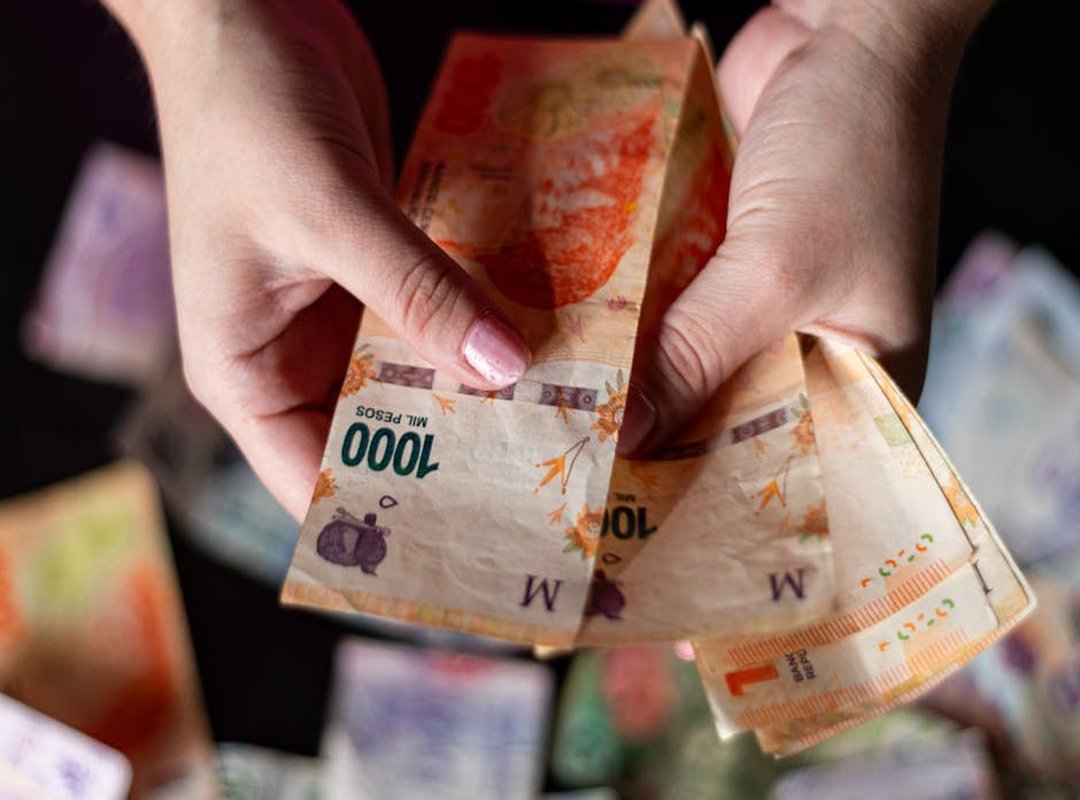
So, you’ve got 1200 pesos mexicanos a peso chileno. You want to make sure you get the best deal. Let’s break down your options.
Option 1: Traditional Banks
Banks are secure and convenient. But they often have wider spreads and higher fees. This can eat into your final amount.
Option 2: Airport Currency Kiosks
These kiosks are super convenient, especially if you’re in a rush. However, they typically offer the worst exchange rates. The convenience comes at a high cost.
Option 3: Online Money Transfer Services (e.g., Wise, Remitly)
Online services like Wise and Remitly usually offer rates closer to the mid-market rate. They also have more transparent and lower fees. This can save you a lot of money.
Option 4: Using a Credit or Debit Card Abroad
Using a credit or debit card can be a good option. Visa and Mastercard often provide competitive network rates. Just watch out for potential foreign transaction fees from your bank.
| Option | Pros | Cons |
|---|---|---|
| Traditional Banks | Secure and convenient | Wider spreads and higher fees |
| Airport Currency Kiosks | Very convenient | Poor exchange rates and high fees |
| Online Money Transfer Services | Close to mid-market rates, transparent fees | May take longer to process |
| Credit/Debit Card Abroad | Competitive network rates | Potential foreign transaction fees |
Always compare the final amount you will receive in CLP after all fees are deducted, not just the advertised exchange rate. This is the key to getting the best deal.
What Can 1200 Mexican Pesos Actually Buy in Chile?
Right now, 1200 MXN is about 8,500 CLP.
So, what can you get with that in Santiago?
A meal for two at a casual restaurant.
Or a round-trip ticket on the Santiago Metro for several days.
You could also visit a museum like La Chascona.
Even a taxi ride from the airport to the city center is within reach.
Understanding 1200 pesos mexicanos a peso chileno helps you plan your budget better.
It’s all about making your travel experience smoother and more enjoyable.
Making Your Mexican Pesos Go Further in Chile
Knowing the value of 1200 pesos mexicanos a peso chileno is the first step, but understanding how to exchange it wisely is what saves you money. Always check the mid-market rate first. Then, compare different exchange services to find the one that offers the best final value.
Be mindful of hidden fees and spreads. These can significantly reduce the amount of CLP you receive. Plan smartly for your transaction or trip to make the most of your currency exchange.
 Lirithyn Dusklance is a contributor at Eyex News who specializes in social trends, cultural developments, and fast-moving online discussions. Known for her engaging writing style and attention to detail, she creates informative articles that help readers stay updated on the latest conversations influencing media and society.