The world is buzzing with worry about energy sources and their environmental impact. I get it. You might feel overwhelmed by the options out there.
What does it all mean for you?
This article aims to clear up that confusion. I want to explore the diverse area of green energy solutions. I’ll break them down so they’re easy to understand and apply.
I’ve tracked environmental shifts for years, and I commit to delivering well-researched information that you can trust.
We won’t just talk theory here. I’ll provide practical takeaways that help you grasp how these solutions can fit into your life.
Expect a relaxed and honest dive into both the exciting potential and the real-world considerations of sustainable energy. By the end, you’ll have a clearer view of your options and how to adopt them. Ready to step into a more sustainable future?
Let’s get started.
What’s Really ‘Sustainable’ in Energy?
Sustainable energy is tossed around like a buzzword, but what does it really mean? It’s energy that’s renewable, leaves a minimal footprint, and can go the distance. Unlike fossil fuels, which are depleting and dirty, sustainable energy offers a cleaner pathway.
Imagine solar panels soaking up sun without depleting resources or wind turbines spinning without belching emissions.
Three pillars hold up this concept: environmental, economic, and social. Environmentally, it’s about low emissions and preserving resources. Economically, it’s cost-effective and creates jobs.
Socially, it means access and fairness. But let’s debunk a myth: not all clean energy is sustainable. Just because something’s labeled ‘clean’ doesn’t mean it’s the magic bullet for our energy woes.
Understanding these details can guide your choices in energy consumption and investment. If you’re looking for latest election campaigns inside, consider how green energy solutions play into policy decisions.
We need to get real about what sustainability means. It’s not just a feel-good term for marketing. It’s about making informed choices that benefit society and the planet.
Are you buying into the hype or digging deeper to understand the core?
Solar Power: Unleashing the Sun for Everyday Life
Solar power is like the Force in Star Wars. A limitless energy if you know how to use it. At its core, solar energy relies on photovoltaic panels for electricity and solar thermal systems for heat.
PV panels convert sunlight directly into electricity using semiconductors. It’s wild science, really. Meanwhile, solar thermal systems heat water or air for your daily use.
Why bother with solar? First, it’s a green energy solution that slashes emissions. That’s right, zero emissions.
Second, tech costs are dropping faster than the plot in a Fast & Furious movie. Plus, solar can mean energy independence. Who doesn’t want that?
Maintenance is minimal too. Just clean them occasionally and you’re golden.
But, there are challenges. Sunlight doesn’t shine all day (duh), and those initial costs can be steep (though) they’re improving. And let’s not ignore the land needed for large solar farms.
Innovation is key. Think solar shingles blending into roofs or floating solar farms on bodies of water. Energy storage tech is catching up too, making solar more viable.
So, does solar really work? Absolutely, and it’s just getting started.
Wind Energy: Nature’s Consistent Power
Wind energy is like magic, isn’t it? You take a natural breeze and turn it into electricity. Wind turbines capture kinetic energy from the wind, spinning blades that power generators.
It’s a clean process. Onshore wind farms are the ones you see dotting the countryside. Offshore farms?
They’re out in the ocean, catching stronger, more consistent winds.
Why is wind energy so appealing? It’s a source of green energy solutions. It’s renewable, cost-competitive, and has been around long enough to prove its worth.
Plus, it creates jobs and diversifies our energy grid. But let’s not ignore the downsides. Visual impact is a common gripe.
Some folks hate the noise (I get it). And there’s wildlife to consider, especially birds and bats.
The future of wind energy looks promising with advancements in technology. Turbines are getting larger and more fast. Offshore projects are exploring deeper waters.
This means more energy, less environmental footprint. Still, we need a strong grid infrastructure to handle this power surge.
So, is wind energy the answer to our energy woes? It’s a big part of the solution, no doubt. But challenges remain.
Hydropower & Geothermal: Earth’s Steady Energy Allies
Hydropower is an old friend in the world of green energy solutions. It’s all about turning water’s kinetic energy into electricity. Big dams are the iconic image here, but they’re not the only game in town.
You’ve also got “run-of-river” systems, which sound fancy but just mean generating power without massive reservoirs. These smaller systems are less invasive, but can they always keep up with power demands?
The benefits of hydropower are clear: it’s reliable and can store energy with pumped-hydro storage. This is a powerhouse when it comes to maintaining grid stability. But, let’s not sugar-coat it.
Dams can disrupt ecosystems, block fish migration, and displace communities. Tough trade-offs, right?
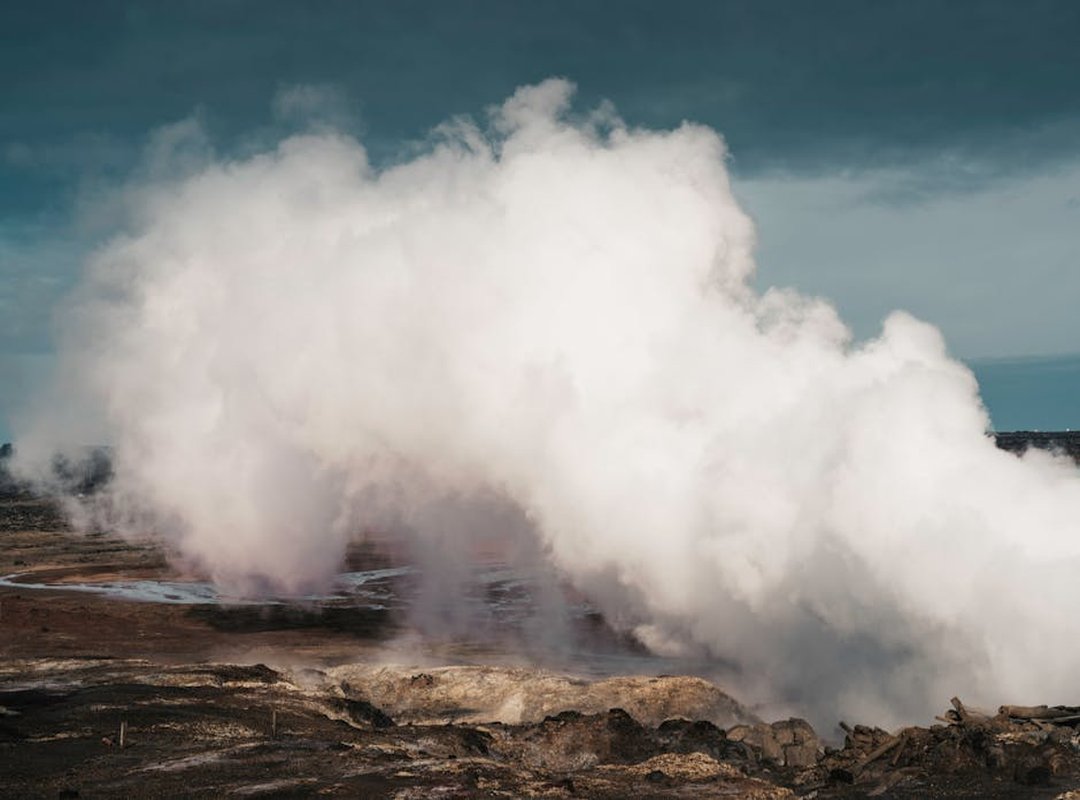
Now, geothermal energy taps into the Earth’s heat. It’s like borrowing warmth from below for power and heating. Geothermal plants have a small footprint and run consistently.
Sounds perfect until you hit the catch: it’s geographically picky. Plus, there’s the risk of induced seismicity (that’s a fancy way of saying earthquakes).
For those looking to explore more about how renewable energy fits into cities new urban plans, you’ll find intriguing connections. The future of energy lies in balancing these pros and cons. Can we make it work?
New Horizons: Emerging Green Energy
Sustainable energy isn’t just a buzzword. It’s our ticket to a cleaner future. Among these green energy solutions, biomass and biofuels peek over the horizon.
But hold your horses, there’s a catch. Without sustainable sourcing, we risk deforestation and food scarcity. Who thought helping the planet could come with its own set of challenges?
Ocean energy, like tidal and wave power, offers exciting potential. But let’s be real: current tech is still figuring out the kinks. It’s like waiting for flying cars.
Promising, sure. Ready? Not quite.
Still, it’s a frontier we’re inching closer to.
Ever heard of green hydrogen? It’s produced using renewable electricity and plays a key role in decarbonizing sectors like heavy industry and transport. It’s a game changer in the making.
But it’s not a fix-all (yet).
Energy storage is the backbone for integrating solar and wind power. With advanced batteries, pumped-hydro, and compressed air, storage tech is key for capturing intermittent energy. Without it, renewables are like a car without wheels.
These solutions hold promise but face hurdles. Tech advancements and investment can open up their potential, bridging the gap between dreams and reality. Let’s keep our eyes on these emerging energy players (because,) honestly, what other choice do we have?
Moving Forward with Green Energy
I’ve laid out the space of sustainable energy options. You now understand what’s at stake as we tackle the challenge of cleaner energy.
These green energy solutions are not just viable; they are important for our environment, economy, and energy security.
So what’s next? I encourage you to dive deeper. Explore these options for yourself.
Engage in discussions that matter. Support policies that push for sustainability.
Stay informed about this key energy transition. Your awareness can drive change.
Let’s step into a greener future together. Your choices today shape tomorrow.
 Lirithyn Dusklance is a contributor at Eyex News who specializes in social trends, cultural developments, and fast-moving online discussions. Known for her engaging writing style and attention to detail, she creates informative articles that help readers stay updated on the latest conversations influencing media and society.