The natural world can feel overwhelming.
How do animals thrive in places that seem impossible?
I’ve spent years observing these creatures, and I’ve seen firsthand their incredible strategies for survival.
It’s fascinating, right?
This article dives into animal adaptations nature, unpacking the clever ways animals adjust to their environments.
Many people wonder how these adaptations work.
Let’s break it down.
I’ll provide clear definitions, diverse examples, and practical takeaways into the ingenuity of nature.
You’ll learn how everything from camouflage to migration plays a role in survival.
I aim to demystify these adaptations so you can appreciate the complexity of life around us.
With a blend of personal experience and scientific understanding, I’ll guide you through the remarkable features that allow animals to thrive where they do.
By the end, you’ll have a clearer picture of how these adaptations shape the natural world and why they matter.
Animal Adaptations: Nature’s Survival Game
Animal adaptations are fascinating. They’re the inherited traits that help creatures survive and reproduce. Think about it: these traits are like a toolkit passed down through generations.
It’s not some learned behavior you pick up along the way. Nope, these are hardwired into their DNA. Nature’s own cheat codes.
Why do animals need them? Ever wonder how a polar bear stays warm in freezing temperatures? Or why a chameleon changes color?
It’s all about dealing with challenges like predators or finding food. Adaptations help animals make the most of their environment.
There are three types: structural, behavioral, and physiological. Structural adaptations are physical features, like a giraffe’s long neck (perfect for munching on high leaves). Behavioral adaptations involve actions, like birds migrating.
Then there’s physiological, like venom production in snakes. Each type plays a part in the grand game of survival.
Mistakes? Sure, they happen. Sometimes an adaptation doesn’t quite fit the environment anymore.
That’s when evolution steps in, tweaking and adjusting over countless generations. It’s a bit like the old currencies economic history (always) changing, always adapting to new conditions.
In the end, understanding these adaptations gives us a peek into the incredible world of animal survival. And it’s pretty mind-blowing.
Built to Last: Understanding Structural Adaptations
You ever wonder how animals survive out there in the wild? It’s all about their structural adaptations. These are the physical features that help them thrive in their habitats.
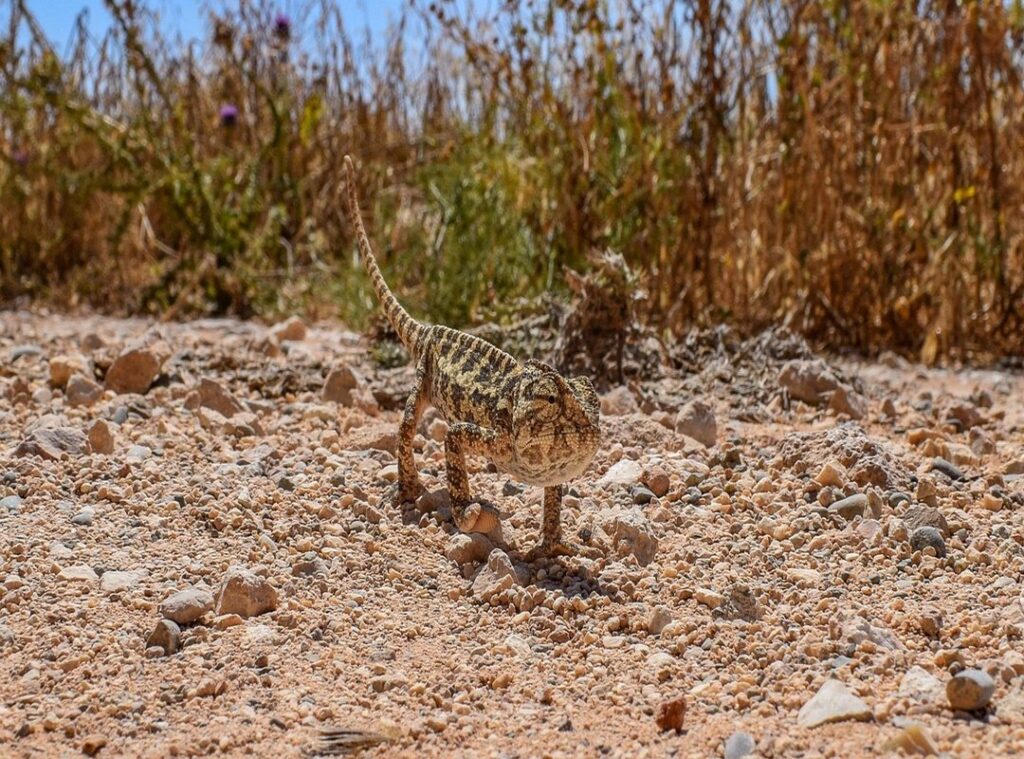
Take camouflage for instance. A chameleon’s skin or a snow leopard’s fur lets them blend into their surroundings. This trait is key for hunting or dodging predators.
It’s not just about hiding; it’s about survival.
Then there’s mimicry, where animals evolve to look like something dangerous or unappetizing. The viceroy butterfly mimics the toxic monarch, tricking predators into leaving them alone. Genius, right?
Think about specialized body parts too. A hummingbird’s long beak is perfect for reaching nectar deep inside flowers. Eagles have solid talons for snatching prey.
Each feature is finely tuned for a specific role in nature.
And we can’t forget protective coverings. Fur, scales, blubber, shells. They all offer insulation, protection, or buoyancy.
These features are why polar bears don’t freeze and turtles don’t get crushed.
In the world of animal adaptations nature isn’t just a backdrop; it’s the stage where these incredible feats unfold. Ever see a nature documentary? It’s like watching evolution in action.
Actions Speak Louder: Exploring Behavioral Adaptations
Behavioral adaptations are fascinating. These actions or patterns of activity help animals survive and reproduce. It’s all about adjusting to the environment.
Take migration, for instance. Animals like birds and wildebeests undertake these epic treks for food, breeding, or simply chasing a better climate. Can you imagine the energy required?
Then there’s hibernation (or estivation for our desert friends). Bears snooze through the winter to save energy, while desert toads hunker down during a drought. Smart, right?
It’s like hitting pause on life until conditions improve.
And let’s talk about courtship. Mating rituals are all about that show-stopping display. Ever seen a peacock fan its feathers?
It’s not just for Instagram likes. It’s about attracting a mate, ensuring the continuation of their species.
Social structures like wolf packs or ant colonies reflect another level of adaptation. Living in groups offers safety, helps with hunting, and even raising the young. It’s teamwork at its finest.
Even tool use comes into play. Chimpanzees with sticks, sea otters with rocks. These examples highlight the cleverness in animal adaptations nature.
Do we give them enough credit? Probably not, but that’s just my take.
The Unseen Power: Diving into Physiological Adaptations
I’m fascinated by how animals have evolved to survive, adapting in ways we might not see at first glance. Physiological adaptations are these hidden superpowers, internal processes that let animals thrive where others fail. Take venom production. Snakes, spiders (they) produce toxins for defense or hunting, a chemical marvel that’s both lethal and fast.

And what about those fish in polar regions? They’ve got antifreeze proteins flowing through their veins, stopping their blood from turning to ice.
Ever seen a firefly light up the night? Bioluminescence is their trick, and it’s not just for show. Deep-sea fish use it to communicate or hunt, creating a dance of lights in the ocean’s darkness.
Then there’s digestion. Animals like termites munch on wood, thanks to specialized systems that break down cellulose. Ruminants, on the other hand, use multiple stomachs to handle tough plant material.
It’s all about survival.
Temperature regulation is another gem. Sweating, panting, shivering (these) are built-in mechanisms to maintain a stable body climate. It’s incredible how animal adaptations nature has crafted these systems.
Speaking of incredible, have you explored the worlds most unusual festivals? They’re a human adaptation and creativity.
Nature’s Workshop: How Adaptations Evolve Over Time
Natural selection is like nature’s own workshop, crafting adaptations over generations. It’s straightforward. You have a population with variations.
Some traits work better in the environment. Others, not so much. Those with beneficial traits tend to survive and reproduce more.
This isn’t about animals waking up and deciding to change. It’s a gradual process shaped by the environment.
It’s basic survival instinct. And take antibiotic resistance in bacteria. We pump in antibiotics, and the resilient bacteria (those that survive) pass on their toughness.
Think about the classic example of the finches on the Galapagos Islands. Different beak shapes evolved because of food availability. Birds with beaks better suited to their food sources thrived.
Does this mean animals consciously adapt? Nope. It’s all about environmental pressure.
Climate shifts, new predators, and limited resources keep the evolutionary wheels turning. We see this everywhere in nature.
Animal adaptations nature is a fascinating dance of survival. It’s a how life can persist and thrive over time. Questions about evolution and adaptation are natural.
It’s what makes the study of life so endlessly intriguing.
Embrace the Wonders of Nature
You’ve explored animal adaptations nature and gained takeaways into how creatures survive in diverse environments. The complexity can be overwhelming, but breaking it down into structural, behavioral, and physiological adaptations makes it clearer.
Now, I encourage you to step outside. Observe the animals around you with fresh eyes. Visit a local park or nature preserve.
Take a moment to appreciate their unique adaptations.
Or dive deeper into specific species that intrigue you. Learning more enhances your understanding and respect for the natural world. Let’s get curious.
Your next adventure in nature is waiting.
 Lirithyn Dusklance is a contributor at Eyex News who specializes in social trends, cultural developments, and fast-moving online discussions. Known for her engaging writing style and attention to detail, she creates informative articles that help readers stay updated on the latest conversations influencing media and society.