
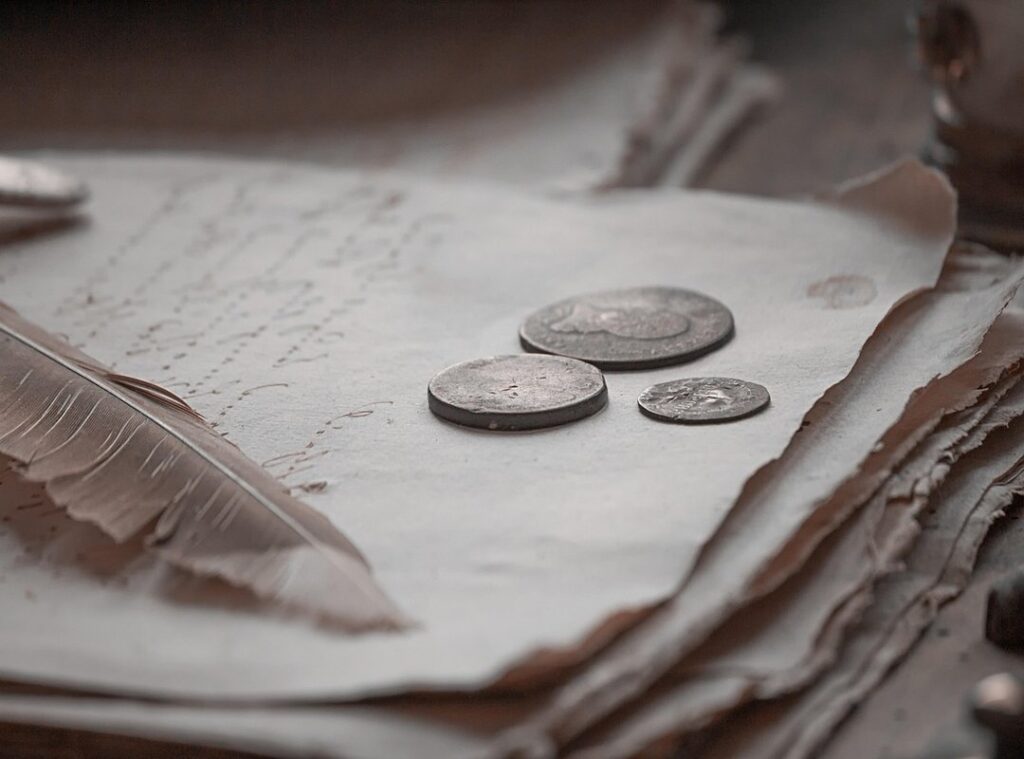
Did you know that the first known currency was made of cowrie shells? It’s fascinating to think about how something so simple paved the way for our modern economies.
In this article, I’ll explore the old currencies history and how these early forms of money shaped our financial systems today.
Many of us wonder how we ended up with paper bills and digital transactions. Understanding the evolution of currency is key to grasping our current economic space.
I’ve spent years digging into financial content, and I’ve seen how often people overlook these historical details. They’re more than just trivia; they reveal how societies operated and connected.
You might be asking why this matters now. Well, knowing where we started helps us appreciate what we have today.
I want to give you a clear overview of historical currencies and their impact. This isn’t just about coins and notes; it’s about the stories behind them and what they tell us about human nature.
By the end of this article, you’ll have takeaways into how past currencies influence our present. You’ll see the significance of these old systems and how they continue to connect in our lives.
The Evolution of Money: Barter to Coins
Ever tried trading a chicken for a sack of grain? That’s how it all started. The barter system was the original economic model, and it was as chaotic as you’d expect.
Folks exchanged goods directly, but it wasn’t exactly fast. Imagine trying to find someone who wants exactly what you have. Exhausting.
Then came coins. Thank goodness for that. The first known coins popped up in Lydia, modern-day Turkey, around 600 BC.
These early coins were made of electrum (a natural gold and silver mix). They were basically a game-changer. Coins standardized value, making trade more predictable and less of a headache.
Why did people bother switching from barter to coins? Well, coins brought a whole new level of convenience. You didn’t need to lug around a cow to buy a tunic.
Coins were portable and trusty, like a trusty sidekick. Plus, they paved the way for complex economies.
This shift from swapping sheep to jingling coins is important to understanding old currencies history. It’s not just about economics; it’s about humans finding smarter ways to live. As I see it, without this evolution, our world would still be stuck in a barter nightmare.
Would you really miss that?
Old Currency Influences: How the Past Built Now
Ever wonder how the Roman denarius, Chinese yuanbao, or Greek drachma shaped economies? to old currencies history. The Roman denarius wasn’t just a chunk of silver. It was the backbone of an empire, influencing trade from Europe to North Africa.
When Rome minted denarii, it wasn’t just making coins. It was making connections, spreading wealth, and even power.
Meanwhile, the Chinese yuanbao was more than a currency. It symbolized prosperity in the Middle Kingdom, acting as the grease in the wheels of an ancient trade juggernaut. Imagine merchants traveling the Silk Road, trading spices and silk, all made possible by these silver and gold nuggets.
These currencies didn’t just help trade; they built bridges across cultures.
Then there’s the Greek drachma. It was the stuff of legends, literally. This wasn’t just about buying olives or wine.
It was about Greece’s impact on the Mediterranean economy. The drachma laid some of the groundwork for modern monetary systems. These currencies did more than just exchange hands; they laid the foundation for today’s global economy.
It’s fascinating to see how these ancient coins are the ancestors of our wallets today. They remind us of the bizarre unusual laws worldwide that have existed alongside them, influencing trade and culture. Curious about those quirky laws?
Check them out here. So, as you flick through a stack of cash or swipe a card, remember, you’re participating in a tradition as old as civilization itself.
From Ancient Scrolls to Wallets: Paper Money’s Journey
When I think of the evolution of paper money, my mind jumps straight to ancient China. They were the first to ditch heavy coins for something lighter in the pocket (literally). It was a game-changer.

The switch to paper was not just about convenience. It was a smart move technologically and economically. Think about it: carrying around bags of metal wasn’t exactly fast.
Can you imagine the relief of traders back then?
The Chinese figured out that paper. Cheaper and easier to produce (made) trade smoother and faster. It was like the first step toward the modern economy as we know it.
But why stop in China? Paper money exploded globally, revolutionizing trade. The shift allowed economies to expand beyond local markets.
Suddenly, you could exchange with far-off lands without lugging around cumbersome coins. This transformation fueled global trade and economic growth. But what happened to all those old coins?
If you’re curious about the history of us circulating coins, it’s worth a look.
Pro tip: if you ever find yourself in a trivia contest, remember that China’s leap into paper money wasn’t just about trade. It was about control too. Governments could regulate and stabilize economies better with paper than with metal coins.
So, there you have it. The old currencies history isn’t just about dusty archives. It’s about innovation and plan that shaped our financial world today.
Old Currencies: Lessons for Today
Ever wonder why we still care about ancient coins and dusty old bills? Turns out, they teach us a lot about today’s financial world. Historical currencies aren’t just relics; they’re blueprints for economic plan.
You see, back in the day, currencies like the Roman denarius or Chinese yuan had real metal value, which grounded economies in something tangible. This concept echoes in modern times with gold reserves backing national currencies.
But it’s not just about backing. The way historical currencies were used and traded has shaped modern policies. Remember hyperinflation in post-WWI Germany?
That nightmare taught today’s economists the importance of controlling inflation. These lessons from old currencies history aren’t just for the textbooks; they actively inform current financial practices and policies.
In numismatics (that’s coin collecting, by the way), the legacy of these currencies lives on. Collectors don’t just hoard them for fun; they study them to understand economic conditions of the past. It’s like a time machine in your pocket.
And speaking of fascinating subjects, you might want to explore the world’s most unusual festivals for another ride through history. So next time you see an ancient coin, think about the stories it holds and how it’s still shaping our world today.
The Weight of Currency’s Past
Understanding old currencies history matters more than you think. It shows how we got to the financial systems we have today.
The origins of money, its evolution, and its impact still shape our lives.
Every time you swipe a card or check your balance, remember the journey that money has taken.
We can’t ignore the lessons from the past. They’re key for making sense of today’s economy.
Curious about how ancient trades influence modern commerce? You should be.
Dive deeper into this subject. Explore the fascinating stories behind currencies that once ruled empires.
You’ll gain takeaways that might change your perspective on money.
Don’t stop here.
Start your journey into the history of money and see how it affects your financial decisions today.
The past isn’t just history; it’s a guide.
Take action now and uncover the legacies that shape our financial world.
 Lirithyn Dusklance is a contributor at Eyex News who specializes in social trends, cultural developments, and fast-moving online discussions. Known for her engaging writing style and attention to detail, she creates informative articles that help readers stay updated on the latest conversations influencing media and society.